01
Why Goodyear's Water Demands a Treatment System
Goodyear draws water from the Colorado River and local groundwater, both of which carry high mineral loads.
Hardness levels regularly exceed 200–300 ppm, meaning calcium and magnesium are quietly scaling your pipes, water heater, and appliances every day. Chlorine used in municipal treatment also lingers at the tap, affecting taste and smell. Without some form of filtration or conditioning, most Goodyear homes are running water that shortens appliance life and irritates skin. A licensed plumber can test your water in about 20 minutes and give you a clear picture of what's actually coming out of your faucets.
02
Types of Water Treatment Systems Our network of licensed plumbers Install
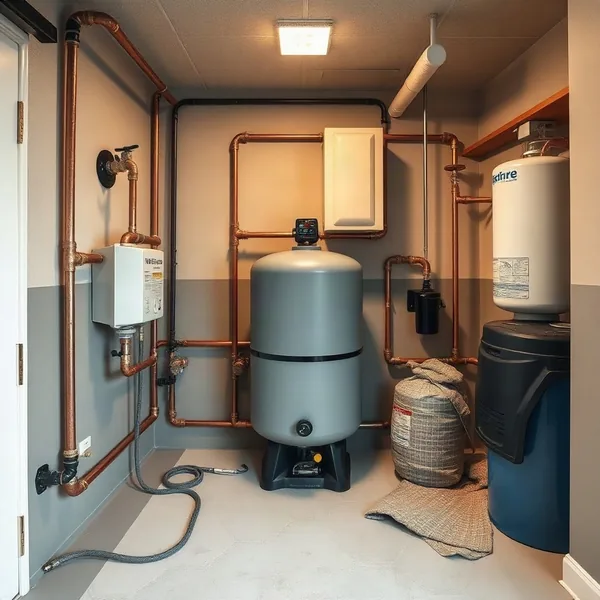
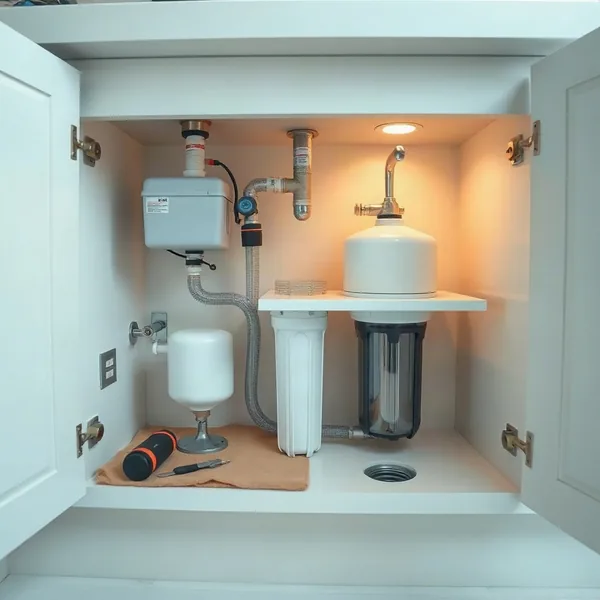
The plumbers in our network install the full range of treatment options — salt-based ion exchange softeners, salt-free template-assisted crystallization (TAC) conditioners, whole-house reverse osmosis systems, sediment pre-filters, activated carbon filters, and UV disinfection units. Each system targets different problems. A softener removes hardness minerals. An RO system strips dissolved solids, chlorine, and contaminants down to near-zero. Carbon filtration handles taste and odor. Many Goodyear homes benefit from a layered approach — softener plus RO — which runs $2,000–$5,500 installed depending on unit size and existing plumbing.
03
How We Match You With the Right Local Plumber
Arizona Home Service Pros doesn't guess. When you call, we ask four quick questions: your zip code, the primary symptom you're noticing, whether you own or rent, and your rough timeline.
Those answers let us filter our Goodyear network to plumbers who have hands-on experience with water treatment — not just general plumbing. Every plumber we refer holds a current Arizona ROC license, carries liability insurance, and has completed verified water quality jobs in the West Valley. You get a name, a phone number, and an estimated arrival window — usually within the hour.
04
Water Softener vs. Whole-House Filtration: Which One Do You Need?
A water softener is the right call when your main complaint is scale buildup, spotty dishes, or appliance wear from hardness minerals.
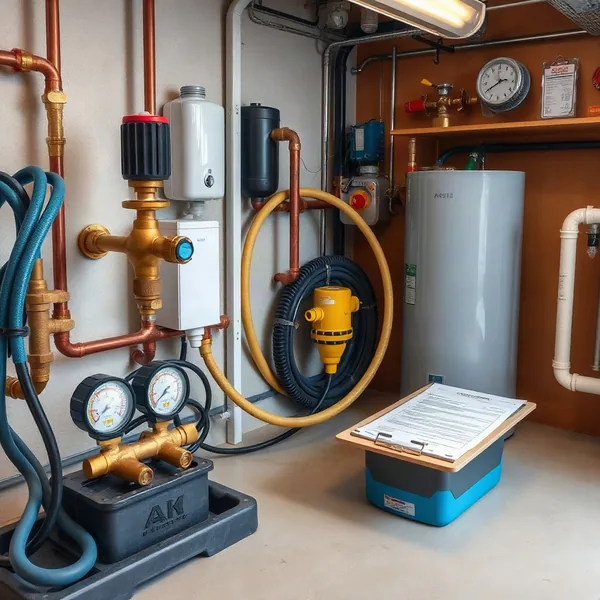
It won't improve taste or remove chlorine on its own. Whole-house filtration addresses a broader set of concerns — taste, odor, sediment, and chemical contaminants — but doesn't soften water unless paired with a softener or TAC conditioner. For most Goodyear households, a combination system makes the most sense. A plumber can pull a water sample, run a hardness and TDS test on the spot, and give you a side-by-side cost comparison before you commit to anything.
05
Maintenance Your Water Treatment System Actually Needs
Salt-based softeners need fresh salt added every 6–8 weeks and a resin cleaning once a year — a service call that typically runs $80–$150.
Whole-house RO systems require sediment and carbon pre-filter changes every 6–12 months ($50–$120 in parts) and a membrane replacement every 2–5 years ($150–$400 installed). UV lamps lose intensity after about 9,000 hours and need annual replacement. Neglecting these intervals doesn't just reduce performance — it can void manufacturer warranties. The plumbers in our network offer maintenance agreements that cover annual inspections and filter swaps on a set schedule.