What Is Hydro Jetting and How Does It Work?
If your drains are moving slowly or your pipes keep clogging no matter how many times you snake them, you may have heard a plumber mention hydro jetting as a solution. But what is hydro jetting, exactly, and is it the right fix for your home? Understanding the technology before you book a service call helps you make a smarter, more confident decision about your plumbing system.
Hydro jetting is a professional drain-cleaning method that uses highly pressurized water to blast away buildup, grease, tree roots, and debris from inside your pipes. Unlike chemical drain cleaners or basic snaking, it cleans the entire interior wall of the pipe rather than simply poking a hole through a clog. The result is a pipe that flows almost like new.
In this article, we'll break down exactly how hydro jetting works, what it's used for, whether it's safe for your plumbing, how loud the process is, and what you can expect to pay. By the end, you'll have everything you need to decide whether this service makes sense for your Goodyear home.
What Is Hydro Jetting and How Does the Process Work?
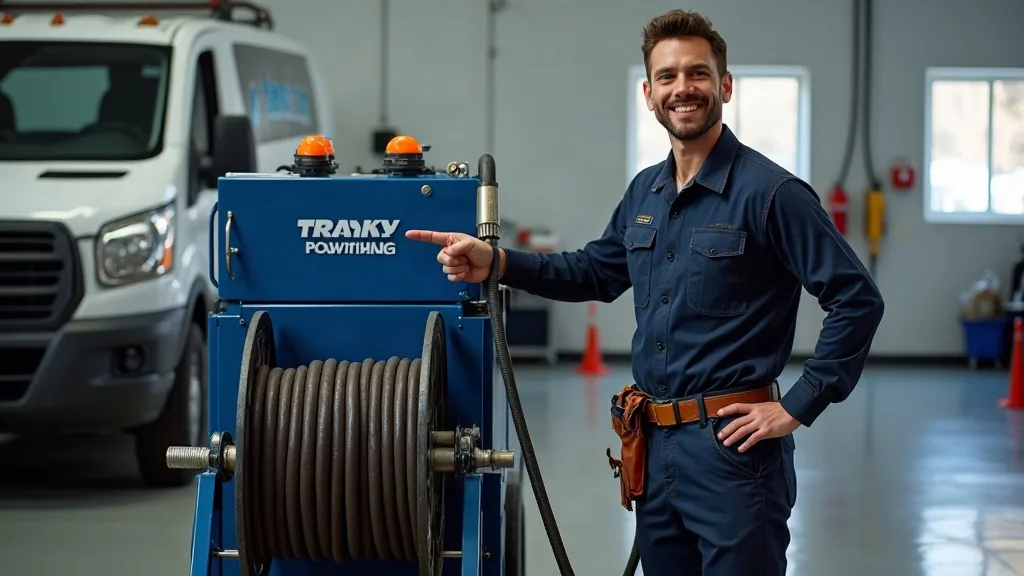
Hydro jetting is a drain and sewer cleaning technique that sends a focused stream of water through your pipes at pressures typically ranging from 1,500 to 4,000 PSI — that's powerful enough to cut through years of accumulated grease, soap scum, mineral scale, and even invasive tree roots. The equipment consists of a large water tank, a high-pressure pump, a flexible hose, and a specialized nozzle designed to spray water in multiple directions simultaneously, scrubbing the pipe walls as it moves through.
Before any water is introduced, a licensed plumber will first run a camera inspection through the drain to assess the condition of the pipe and locate the blockage. This step is critical because hydro jetting should only be used on pipes that are structurally sound. Once the plumber confirms the pipe can handle the pressure, the hose is inserted through a cleanout access point and the nozzle is fed down toward the clog. As it moves forward, it blasts debris loose and flushes everything down and out of the line.
If you're dealing with recurring clogs or slow drains throughout your home, scheduling professional Hydro Jetting is one of the most thorough ways to restore full pipe capacity without any digging or pipe replacement.
Hydro Jetting Meaning, Purpose, and When You Actually Need It
The hydro jetting meaning is straightforward: it's pressurized water used as a cleaning tool inside your plumbing. Its purpose goes beyond clearing a single clog — it's a deep-clean for your entire drain or sewer line. Homeowners in Goodyear often turn to it when standard snaking hasn't solved a recurring problem, when grease has built up in kitchen drain lines, or when a sewer line is partially blocked by root intrusion or sediment from hard water.
Hydro jetting is also commonly used as a preventive maintenance tool. Restaurants and commercial properties schedule it regularly to prevent grease buildup before it becomes a full blockage. Homeowners can benefit from the same approach, particularly if their home has older pipes or a history of drain issues. It's also the recommended treatment before any pipe lining or trenchless repair, since the pipe interior needs to be completely clean for those methods to bond properly.
Common signs that hydro jetting may be the right solution include multiple slow drains throughout the house, gurgling sounds coming from toilets, sewage odors near floor drains, or frequent backups that return shortly after a standard snaking.
Is Hydro Jetting Safe, Is It Loud, and What Does It Cost?
One of the most common questions homeowners ask is: is hydro jetting safe? The short answer is yes — when performed by a licensed plumber on pipes that are in good condition. That's why the camera inspection beforehand matters so much. Older pipes made from clay, cast iron, or corroded materials may not be suitable candidates, since extreme pressure could worsen existing cracks or weak points. A qualified plumber will always evaluate the pipe condition first and adjust the water pressure to match what the line can safely handle.
As for noise, is hydro jetting loud? It produces some sound — the pump and water rushing through the hose creates a noticeable hum — but it's not disruptive to the point of being a nuisance. Most homeowners compare it to the sound of a pressure washer running in the yard. The work is typically completed within a couple of hours, so any noise is short-lived.
When it comes to the cost of hydro jetting, prices vary depending on the length and condition of the pipe, accessibility of the cleanout, and the severity of the blockage. In the Phoenix metro area, homeowners generally pay between $250 and $600 for a residential hydro jetting service. More complex jobs — such as long sewer lines or heavy root intrusion — may cost more. While it's more expensive than snaking upfront, many homeowners find it saves money over time by reducing how often they need to call a plumber for repeat clogs.
Frequently Asked Questions
Need Help? Contact Arizona Home Service Pros
Our team is available in Goodyear — get a free quote today