What Is Backflow Prevention and Why Does Your Home Need It?
Most homeowners never think about the water flowing back through their pipes — until something goes wrong. Understanding what is backflow prevention can mean the difference between safe drinking water and a serious contamination event inside your own home. It is one of those behind-the-scenes plumbing safeguards that quietly protects your family every single day.
What Is Backflow Prevention and How Does It Work?
Backflow is exactly what it sounds like: water moving in the wrong direction through your plumbing system. Under normal conditions, your municipal water supply maintains consistent pressure that keeps fresh water flowing forward — into your faucets, appliances, and fixtures. But when that pressure drops suddenly due to a water main break, heavy firefighting demand, or a burst pipe nearby, water can reverse course and flow back toward the public supply, pulling contaminants along with it.
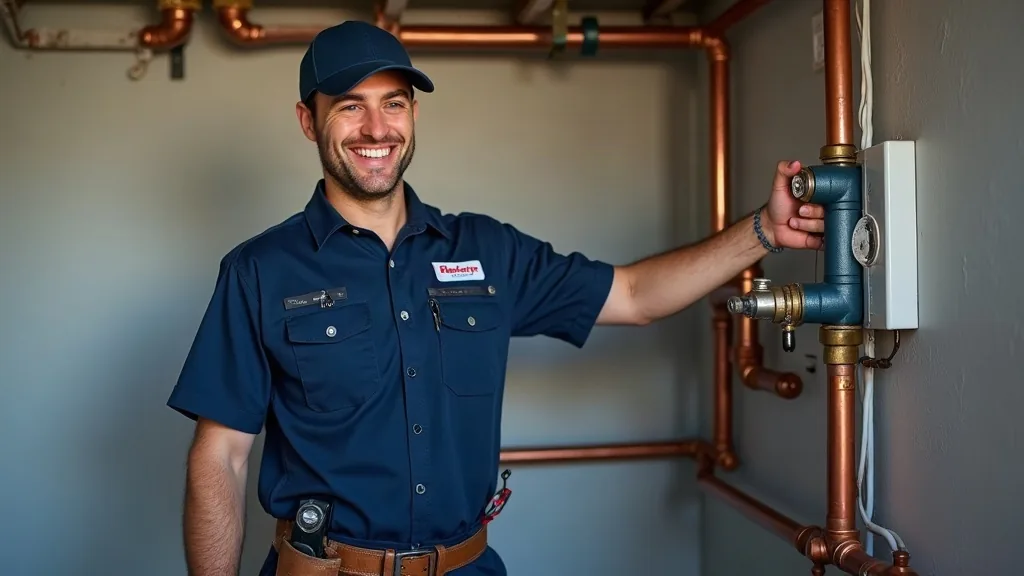
What is backflow prevention, then? It is a mechanical device — called a backflow preventer — installed at key points in your plumbing system to stop that reverse flow from happening. These devices work by using check valves or air gaps to create a one-way path for water. The moment pressure drops and water tries to reverse, the preventer closes automatically, sealing off any pathway for contaminated water to reach your clean supply.
In Goodyear and across Arizona, backflow preventers are commonly required on irrigation systems, swimming pool fill lines, and any plumbing connection where a non-potable water source could potentially mix with the drinking water supply. Even a garden hose left submerged in a bucket of soapy water represents a backflow risk if pressure conditions change at the wrong moment.
Why a Backflow Preventer Matters More Than You Think
The reason why backflow preventer devices are required by code in many situations is straightforward: the health consequences of contaminated drinking water can be severe. Backflow events have been linked to the introduction of fertilizers, pesticides, soap, bacteria, and even raw sewage into municipal water systems. Once contamination enters the supply line, it can spread quickly and affect multiple homes before anyone realizes what has happened.
For homeowners with irrigation systems — which are extremely common in Goodyear given the desert climate and the widespread use of landscaping — the risk is particularly real. Fertilizers and soil bacteria near your sprinkler heads could easily travel back into your home's water if a preventer fails or is absent entirely. The same concern applies to homes with fire suppression systems, pools, or any kind of auxiliary water source connected to the main plumbing.
Do backflow preventers work? Yes — when they are properly installed and regularly tested, they are highly effective at stopping reverse flow. The key word is regularly. Like any mechanical device, backflow preventers can wear out, corrode, or fail silently over time. A preventer that worked perfectly when it was installed three years ago may no longer seal correctly today, which is exactly why routine testing is so important.
Who Needs Backflow Testing and What Should You Expect?
Who needs backflow testing? In Arizona, any property with an irrigation system connected to the municipal water supply is typically required by the water utility to have its backflow preventer tested annually. Commercial properties, restaurants, and multi-family buildings face even stricter requirements. However, even homeowners without a mandated testing schedule benefit from having their devices inspected periodically, especially if the preventer is more than a few years old or has never been serviced.
A licensed plumber will physically test the preventer using calibrated gauges to measure whether the check valves are holding pressure correctly on both sides of the device. The test typically takes less than an hour and results in a pass or fail report that you may need to submit to your water provider. If the device fails, the plumber can either repair it or recommend a replacement depending on the condition and age of the unit. You can schedule professional Backflow Prevention Testing through Arizona Home Service Pros to connect with a licensed local plumber who handles this exact service in the Goodyear area.
As for the cost question — is backflow testing free? In most cases, no. Annual testing is generally a paid service performed by a licensed, certified tester. Some water utilities do offer free testing programs during certain periods or for qualifying customers, so it is worth checking with your local provider. That said, the cost of a professional test is modest compared to the potential expense of repairing water damage or addressing a contamination event.
Frequently Asked Questions
Need Help? Contact Arizona Home Service Pros
Our team is available in Goodyear — get a free quote today