
How to Use and Maintain Your Water Softener: A Simple User Guide
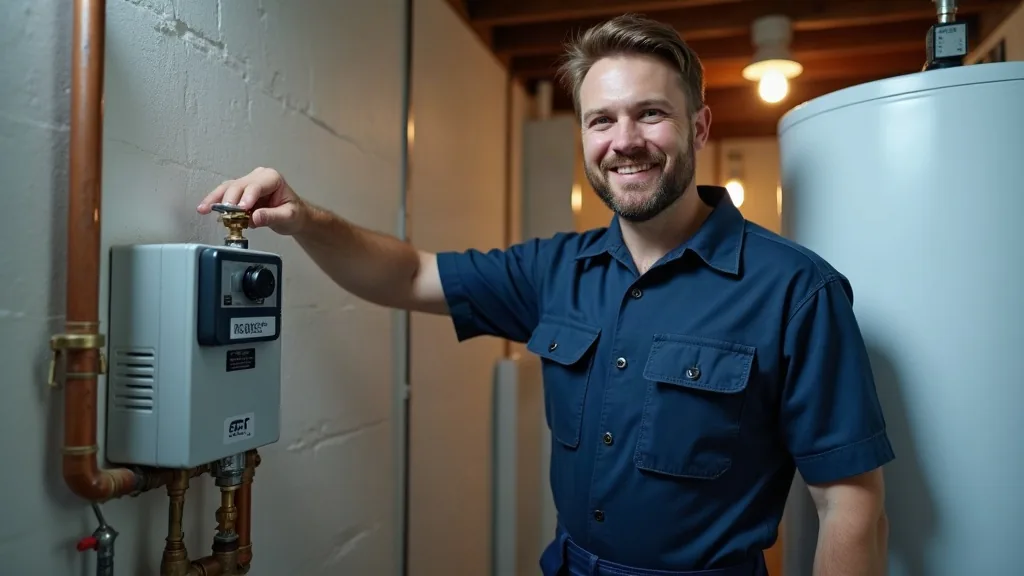
If you already have a water softener in your Goodyear home, you know how much of a difference it makes — softer skin after showers, spotless dishes, and appliances that last longer. But owning a water softener comes with a small learning curve that most installation guides never cover. That's exactly why we put together this water softener user guide: to walk you through the everyday tasks that keep your system running smoothly for years to come.
Arizona's water is notoriously hard, loaded with calcium and magnesium minerals that build up inside pipes, water heaters, and fixtures over time. A properly maintained softener protects your entire plumbing system from that buildup — but only if you understand how to operate it correctly. This guide covers everything from how the softener works and why it uses salt, to how to refill the brine tank and adjust your settings for optimal performance.
Whether your system is a few months old or several years old, these simple practices will help you get the most out of your investment and avoid common problems before they turn into expensive repairs.
How a Water Softener Works: Understanding the Basics
Before diving into maintenance, it helps to understand what your water softener is actually doing. Hard water contains dissolved minerals — primarily calcium and magnesium — that cause scale buildup and reduce the effectiveness of soaps and detergents. A water softener works by passing your home's water through a resin tank filled with tiny beads that carry a negative charge. Those beads attract and trap the positively charged mineral ions, releasing sodium ions in their place. The result is softened water that flows through the rest of your home.
Over time, the resin beads become saturated with minerals and need to be cleaned. This is where the regeneration cycle comes in. During regeneration, a brine solution — made from the salt in your brine tank — flushes through the resin, stripping away the trapped minerals and washing them down the drain. The resin beads are then recharged and ready to soften water again. Most systems are programmed to regenerate automatically, typically overnight when water use is low.
Understanding this process helps you make sense of every maintenance task in this guide. When something goes wrong — water feels hard again, the tank runs dry — you'll be able to trace the issue back to one of these core steps and address it quickly.
Your Complete Water Softener User Guide to Salt and Settings
Salt is the engine that keeps your water softener running. The brine tank holds the salt and mixes it with water to create the brine solution used during regeneration. Keeping this tank at the right salt level is the single most important maintenance task you'll perform. Check the brine tank at least once a month by lifting the lid and looking inside. The salt level should sit a few inches above the water line — a good rule of thumb is to keep the tank at least one-quarter full at all times. In Goodyear's hard water conditions, many households find they refill salt every four to six weeks.
When it comes to what type of salt to use, most softener manufacturers recommend sodium chloride pellets or crystals specifically labeled for water softeners. Avoid rock salt, which contains impurities that can clog your system. Some households with sodium dietary concerns opt for potassium chloride instead, which works the same way but costs more. Whichever type you choose, be consistent — mixing salt types can contribute to bridging, a condition where salt clumps together and forms a crust that blocks the brine tank from working properly. If you notice your water hardness creeping back up, use a long-handled brush to break up any salt bridges before adding fresh salt.
Your softener's control panel also lets you adjust key settings like hardness level and regeneration frequency. Set the hardness level to match Goodyear's local water supply — typically between 15 and 20 grains per gallon, though your municipality's water quality report will confirm the exact number. If your system has a timer-based regeneration, program it to run every few days based on your household's water usage. Demand-initiated systems regenerate automatically based on actual usage, which is more efficient and requires less adjustment on your part. If you're unsure whether your current system is sized correctly for your household, it may be worth consulting a professional about a Water Softener Installation assessment to confirm your unit is the right fit.
Routine Maintenance Tips to Keep Your Softener Running Long-Term
Beyond salt refills and settings, a few additional maintenance habits will extend the life of your system significantly. Every three to four months, clean the brine tank to prevent sediment and mushy salt from accumulating at the bottom. To do this, disconnect the unit, scoop out any remaining salt, and rinse the interior of the tank with clean water. Avoid harsh chemicals — plain water is enough. Inspect the float and brine valve inside the tank while you're in there, and make sure they move freely without resistance.
You should also periodically add a resin cleaner to your brine tank, especially in areas like Goodyear where iron can be present in the water supply. Even small amounts of iron can coat the resin beads over time and reduce their effectiveness. Resin cleaner products are inexpensive, widely available at hardware stores, and simply poured directly into the brine tank before a regeneration cycle. Check your owner's manual for the recommended amount and frequency based on your specific model.
Finally, pay attention to how your water feels day to day. Soft water should lather easily with soap, leave no residue on dishes, and feel smooth on your skin. If you notice signs of hardness returning — spots on glassware, stiff laundry, or reduced lather — run a manual regeneration cycle first and check your salt level. If the problem persists after those steps, it may indicate a resin issue or a mechanical fault that warrants a professional inspection.
Frequently Asked Questions
Need Help? Contact Arizona Home Service Pros
Our team is available in Goodyear — get a free quote today