Is Repiping Worth It? What to Know Before You Repipe a House
If you've been dealing with low water pressure, discolored water, or a string of pipe leaks, you've probably asked yourself: is repiping worth it? It's a fair question, especially when the upfront cost can feel intimidating. But living with deteriorating pipes can quietly drain your wallet through water damage, repairs, and wasted energy — so the answer isn't always obvious without looking at the full picture.
Whole-house repiping means replacing all or most of the supply pipes in your home with new, modern materials. It's a significant project, but for many Goodyear homeowners dealing with aging galvanized steel or polybutylene pipes, it can be the most sensible long-term solution available. This article walks you through why homeowners repipe, what the process actually involves, what it costs, and how to decide whether it makes sense for your situation.
Whether your home is 15 years old or 50, understanding the repiping decision now can save you from an expensive emergency later. By the end of this post, you'll have a clear, honest breakdown of the pros, cons, and costs — so you can make a confident call.
Why Repipe a House? The Signs That Push Homeowners to Act
Most homeowners don't wake up one day and decide to repipe on a whim. The decision usually follows a pattern of mounting frustration: rusty water staining sinks and laundry, water pressure that keeps dropping, or a plumber finding yet another pinhole leak in the same section of pipe. These are classic signs that a pipe system is failing systemically — not just at one spot. Patching individual leaks on corroded pipe is like putting bandages on a crumbling foundation.
The most common reason to repipe a house is pipe material age and deterioration. Homes built before the 1980s often have galvanized steel pipes that rust from the inside out over decades. Homes built between roughly 1978 and 1995 may contain polybutylene pipe, a gray plastic material that was recalled for widespread cracking and failure. In both cases, isolated water line repair can buy time, but it rarely stops the inevitable if the entire system is compromised.
Arizona's hard water also accelerates pipe wear. Mineral buildup inside older pipes reduces water flow and puts additional stress on joints and fittings. If you're noticing chalky residue, reduced pressure throughout the home, or your plumber is recommending repairs more than once a year, a whole-system evaluation makes practical sense.
Is Repiping Worth It? A Honest Look at Pros, Cons, and Costs
So is repiping worth it? For most homeowners with pipes over 40 years old or made from problematic materials, the answer is yes — but the math matters. The cost of repiping a house typically ranges from $4,000 to $15,000 depending on home size, pipe material chosen, and local labor rates. PEX piping, which is flexible and corrosion-resistant, is the most popular modern choice and tends to be more affordable than copper. Copper remains an excellent option for longevity but costs more both in materials and labor.
On forums like Reddit, homeowners debating repiping cost often land in the same place: the sticker shock fades fast after their second or third major water damage claim. One failed pipe in a wall can cause mold, structural damage, and insurance headaches that easily exceed the cost of the repipe itself. When you spread the cost of a full repipe across 30 or more years of reliable water flow, improved pressure, and no more rust stains, the value becomes a lot clearer.
The downsides are real but manageable. Repiping does require opening walls and ceilings to access pipe runs, which means some drywall patching after the work is done. The project typically takes two to five days for an average-sized home. You'll also be without running water for portions of the project. These inconveniences are temporary. The benefit — a complete, code-compliant pipe system with a multi-decade lifespan — is not.
How Is Repiping Done? Understanding the Process Step by Step
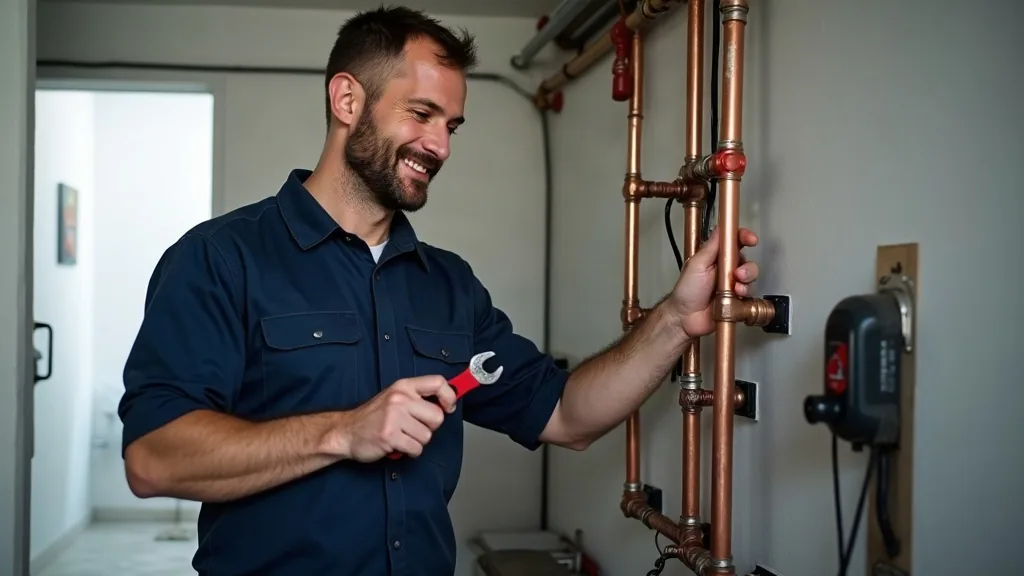
Understanding how to repipe a house starts with a licensed plumber assessing your current system — identifying pipe materials, mapping supply lines, and locating access points. Once a plan is in place, the crew shuts off the water supply and begins cutting into walls and ceilings at strategic points to reach the existing pipe runs. Old pipes are removed and new ones are routed through the same paths or better ones, depending on the layout.
If you're opting for repiping with PEX, the flexible tubing can often be snaked through existing cavities with fewer wall openings than rigid copper requires. This reduces both labor time and the amount of drywall repair needed afterward. All connections are made, pressure-tested, and inspected before walls are closed up. Most plumbing companies coordinate directly with drywall contractors to streamline the finish work.
After the new pipes are live, homeowners almost always notice an immediate improvement in water pressure and clarity. The water coming out of faucets no longer carries the brownish tinge caused by rust flaking off old galvanized pipe interiors. It's one of those home improvement projects where the results are felt every single day.
Frequently Asked Questions
Need Help? Contact Arizona Home Service Pros
Our team is available in Goodyear — get a free quote today